Are You Earning Up to Your Potential?
Most personal trainers are undervaluing their time and skills. Our Personal trainer Revenue Calculator helps you find out what you should be making, and how to get there.
No guesswork. Just real numbers.
.webp)
In today's fast-paced corporate world, where deadlines are tight, high stress, and sitting for extended hours is the norm, the importance of corporate wellness and fitness programs cannot be overstated. These programs benefit employees' physical and mental health and promote a healthier and more productive workplace. As fitness trainers, coaches, or fitness enthusiasts, you have a unique opportunity to help businesses design effective wellness programs that truly make a difference. In this blog, we'll delve into the key aspects of corporate wellness initiatives that engage employees and foster a culture of well-being and positive company culture.
Understanding the Need for a Corporate Wellness Program
Before you dive into designing a wellness program, it's essential to understand why businesses need them. Corporate wellness programs aim to:
1. Improve Employee Health:
This aspect of corporate wellness programs focuses on enhancing the physical well-being of employees. It includes initiatives like health risk assessments, fitness classes, nutrition guidance, and health screenings. Educational programs aim to help wellness program participants adopt healthier lifestyles, such as exercising regularly, eating nutritious foods, and managing chronic conditions. By improving employee health, companies can reduce absenteeism due to illness, increase energy levels, and promote overall vitality, ultimately leading to a more productive workforce.

2. Boost Morale:
Morale refers to employees' emotional and psychological well-being. Company culture and wellness programs that boost employee morale can show employees that their employers care about their happiness and well-being beyond their work output. Employees feeling valued and supported in their personal and professional development can increase job satisfaction, loyalty to the company, and a positive attitude towards work. High morale can result in better teamwork and a more pleasant work environment.
3. Reduce Stress:
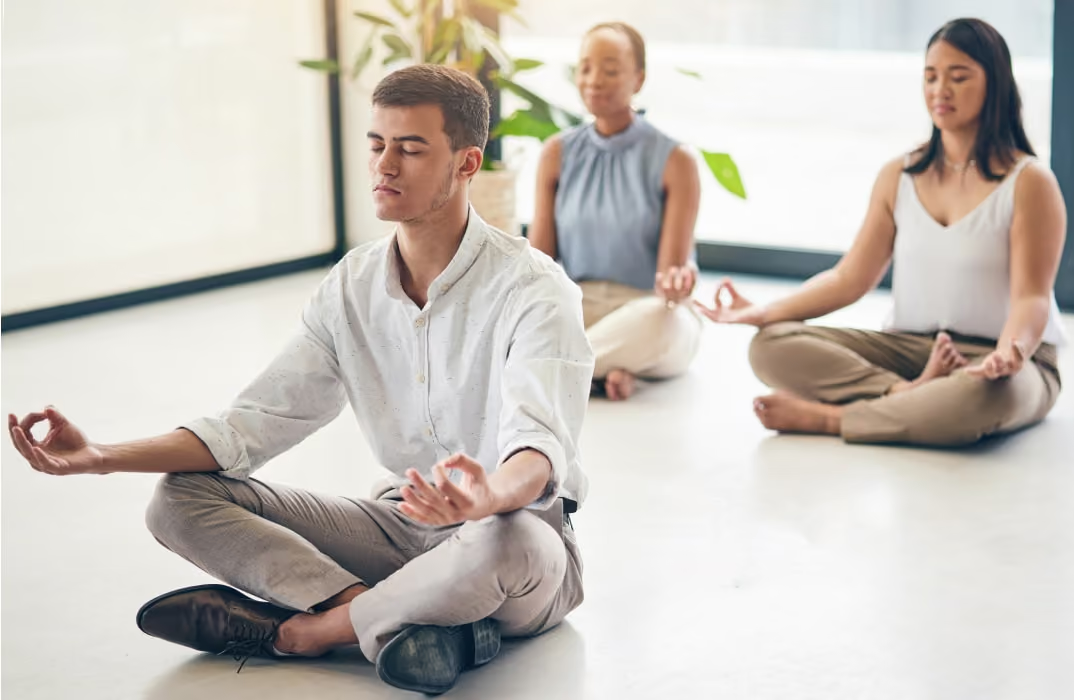
Workplace stress is a common issue that can negatively impact employee performance, mental and emotional health, and job satisfaction. Corporate wellness programs often include stress management components such as mindfulness training, relaxation techniques, or counselling services. These initiatives aim to equip employees with effective tools and strategies to cope with stress. With lower stress levels, employees can better focus, make rational decisions, and maintain a healthier work-life balance.
💪 Got an idea for a brand? Let's bring it to life.
Launch your own fitness app with FitBudd in minutes!

💪 Got your brand name? Let’s bring it to life.
Launch your own fitness app with FitBudd in minutes!



88% trainers worldwide gave us 5 stars
Transform your fitness business with the power of your branded app on iOS and Android.
Try for FREE4. Enhance Work-Life Balance:
A healthy balance between work and personal life is crucial for employee well-being. Wellness programs can address this by promoting flexible work arrangements, encouraging employees to take breaks, and providing resources for managing workload and responsibilities. Employees with a better work-life balance experience less burnout, improved mental and physical health, and increased job satisfaction. This balance ultimately increases employee productivity and leads to happier and more engaged employees.
5. Lower Healthcare Costs:
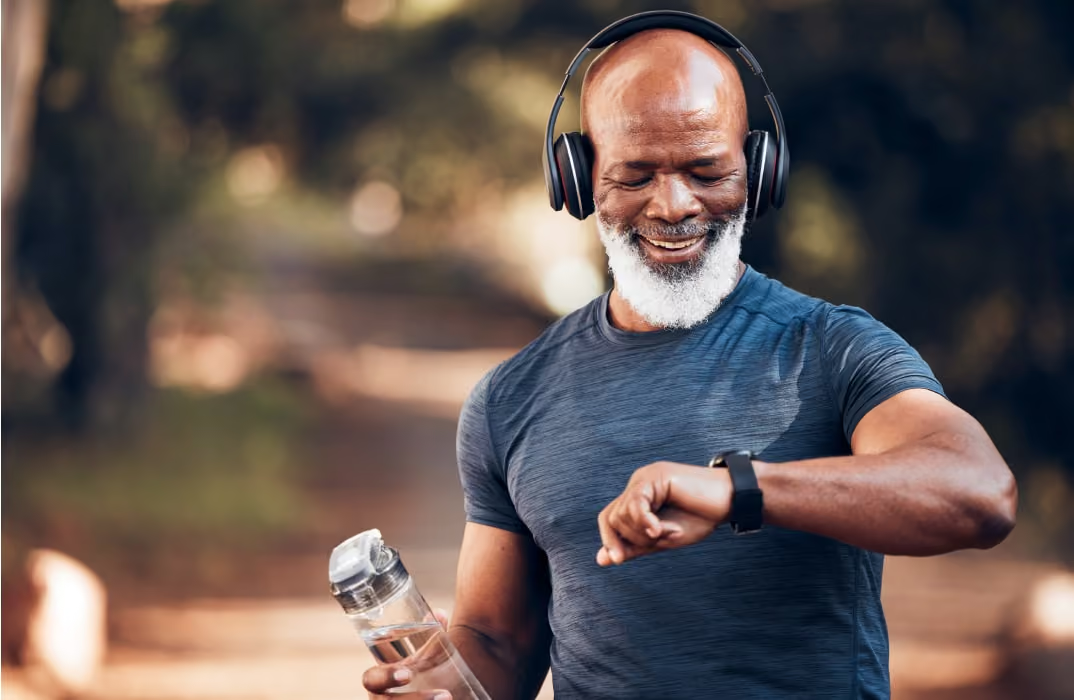
Companies that invest in employee wellness often see a reduction in healthcare costs. Healthier employees are less likely to require expensive medical treatments or take extended sick leaves. Wellness programs can prevent or manage chronic conditions, reduce the risk of illnesses, and encourage preventive health measures like vaccinations. Lower healthcare costs benefit employees and employers, leading to financial savings and improved overall well-being.
Designing Effective Employee Wellness Programs
1. Assess Employee Needs:
Assessing employee needs is the foundation of any effective corporate wellness program. It involves gathering information about the workforce's unique health and wellness requirements. This can be done through surveys, focus groups, one-on-one interviews, or health assessments. By understanding what employees are looking for in a workplace wellness program, whether it's stress management, fitness opportunities, or nutrition guidance, companies can tailor their initiatives to meet those specific needs. This personalized approach ensures that the wellness program resonates with employees, making them more likely to participate and benefit from it.
2. Offer Diverse Activities:

A one-size-fits-all approach rarely works regarding the best wellness programs and initiatives. People have varying fitness levels, interests, and preferences. Therefore, corporate wellness programs should offer diverse activities to cater to a broad audience. These activities include yoga classes, group fitness workouts, mindfulness sessions, or even workshops on sleep hygiene or mental health. Employees can choose activities that align with their goals and interests by providing options, making it more likely that they'll engage regularly and find value in the comprehensive wellness program.
3. Promote Healthy Eating:

Nutrition is a fundamental aspect of overall wellness. Promoting healthy eating within a corporate wellness program can include initiatives like offering nutritious snacks in the workplace, organizing cooking classes or nutrition seminars, or providing guidance on making healthier food choices. Encouraging employees to make mindful dietary decisions can improve energy levels, better concentration, and reduce the risk of chronic diseases. Healthy eating complements physical activity, contributing to a holistic approach to well-being.
4. Incorporate Challenges:
Challenges and competitions can add fun and motivation to a wellness program. Setting up challenges, such as step-count competitions, weight loss challenges, or fitness milestones, can inspire employees to set and achieve wellness goals. These challenges create a sense of camaraderie among participants and can foster a competitive spirit that encourages regular employee engagement in wellness activities.
5. Provide Flexibility:
Recognizing that employees have diverse schedules and commitments, offering flexibility in wellness program participation is essential to increase employee participation. This can mean scheduling wellness activities at different times of the day to accommodate varying work shifts or allowing remote employees to join virtual sessions. Flexibility ensures that employees don't feel pressured to choose between work and wellness, less financial stress and making it easier for them to prioritize their health.
6. Educate on Stress Management:
Stress is prevalent in the modern workplace, and effective stress management is crucial for employee well-being. Wellness programs should incorporate education on stress management techniques, such as meditation, deep breathing exercises, or time management skills. Companies can have successful programs to help reduce burnout, improve mental health, and enhance overall job satisfaction by equipping employees with tools to cope with stress.
7. Set Clear Goals:
Wellness programs should have clear and measurable goals. Establishing objectives, such as reducing absenteeism, increasing employee participation and engagement in wellness activities, or achieving specific health outcomes and metrics, provides a framework for the program's success. Clear goals help employees and employers track progress and understand the tangible benefits of participating in the program.

8. Create a Supportive Environment:
Building a workplace wellness culture is essential for program success and employee retention. This involves creating an environment where wellness is encouraged and celebrated. Recognition for wellness achievements, peer support, and leadership involvement can create a supportive atmosphere that motivates employees to prioritize their health.
9. Evaluate and Adjust:
Evaluating the effectiveness of the wellness program is an ongoing process. Collecting participant feedback and analyzing data on program engagement and outcomes allows for continuous improvement and program development. Suppose certain activities or components of the program do not resonate with employees or do not produce the desired results. To keep the program relevant and impactful, one must make adjustments.
Engaging Employees in Workplace Wellness Programs
Engagement is key to the success of corporate wellness programs. Here are some strategies to keep employees involved in successful wellness programs:
1. Leadership Involvement:

- Why it matters: When leaders at all levels of the organization actively participate in and support the employee wellness program, it sends a powerful message. It shows that well-being is a top priority, fostering a culture of wellness from the top down. Companies that find best executives to champion these initiatives ensure the program receives the necessary support and visibility.
- How to implement: Encourage senior management to participate in wellness activities and initiatives. Leaders can lead by example by attending fitness classes, promoting healthy eating, and participating in wellness challenges. They can also communicate their wellness journeys to inspire others.
2. Communication:

- Why it matters: Effective communication informs employees about the wellness program's details, updates, and benefits. Clear and consistent communication ensures employees know about available wellness resources and activities.
- How to implement: Utilize multiple communication channels such as emails, newsletters, bulletin boards, company intranet, and even workplace meetings to disseminate wellness information. Regularly share success stories, upcoming events, and wellness tips to keep employees engaged and informed.
3. Rewards and Incentives:

- Why it matters: Rewards and incentives motivate employees to actively participate in wellness activities and achieve their goals. They provide tangible benefits and recognition for their efforts.
- How to implement: Offer rewards such as gift cards, wellness merchandise, extra paid time off, or contributions to health savings accounts for achieving wellness milestones or participating in challenges. Recognize and celebrate employees' achievements publicly within the organization.
4. Gamification:

- Why it matters: Gamification adds an element of competition, fun, and motivation to wellness programs. It encourages participation and engagement by turning wellness activities into a game.
- How to implement: Utilize wellness apps or platforms that allow employees to earn points, badges, or rewards for completing activities, hitting fitness targets, or achieving milestones. Create leaderboards to foster friendly competition and inspire employees to reach their wellness goals.
5. Supportive Community:
- Why it matters: Building a sense of community among employees participating in the wellness program enhances motivation and accountability. It creates a supportive network where individuals can share their progress, challenges, and successes.
- How to implement: Encourage employees to form wellness groups or teams where they can support and motivate each other. Facilitate regular check-ins or forums for participants to share their experiences and tips. Organize group activities or challenges that foster a sense of camaraderie.
Conclusion
Designing effective corporate wellness programs is rewarding and can profoundly impact employees and businesses. As fitness trainers, coaches, and enthusiasts, your expertise and passion for well-being can help create programs that inspire positive change. By focusing on employee needs, offering diverse activities and healthy food options and fostering a culture of engagement, you can play a vital role in building healthier, happier, and more productive workplaces. Remember, the journey towards corporate wellness is shared; together, we can make a difference—one step at a time.



Meet the author
Aishwarya Mehra
With a passion for digital strategy and a keen eye for engagement, Aishwarya Mehra is your partner in turning clicks into clients and likes into loyal followers.
Frequently Asked Questions

Yangzey Sherpa leads content strategy at FitBudd, overseeing content planning and execution across fitness-focused digital channels. With over five years of experience in SEO and content, she works closely with the fitness industry to ensure content aligns with the needs of coaches, trainers, and gym owners. Her role keeps her deeply connected to fitness business workflows, coaching models, and how professionals use digital platforms to grow.


Apra Pathak has worked closely within the fitness niche for several years, supporting personal trainers and fitness coaches through content and digital marketing initiatives. Her experience centers on understanding how fitness professionals build visibility, communicate value, and engage clients online. Through sustained involvement with fitness-focused platforms and audiences, she has developed a strong understanding of the digital needs and growth challenges faced by modern fitness businesses.

Aishwarya Mehra has been actively involved in fitness-focused digital marketing, working closely with brands and platforms that serve coaches, trainers, and fitness businesses. Her experience spans engagement-driven strategies designed specifically for fitness audiences. Through ongoing exposure to fitness campaigns and communities, she remains closely aligned with how fitness professionals attract, convert, and retain clients in digital environments.

Suchandra Das has contributed content within the fitness niche, working on resources designed for coaches, trainers, and fitness business owners. Her experience involves supporting fitness-related topics with clear, structured, and accessible content. Through consistent involvement with fitness-focused platforms, she has developed familiarity with coaching workflows, client communication, and the informational needs of fitness professionals.
FitBudd is a fitness technology platform built exclusively for coaches, personal trainers, gym owners, and fitness professionals. The platform supports fitness businesses through branded apps, white-labeled solutions, and websites designed around real coaching and training workflows. FitBudd works closely with the global fitness community, maintaining deep, ongoing involvement in the fitness industry.

Ankit Uniyal has worked extensively with fitness-focused content, supporting platforms that cater to personal trainers, gym owners, and fitness professionals. His experience includes optimizing and structuring content around fitness-related search behavior and user intent. Through continued involvement in the fitness niche, he has gained a strong understanding of how trainers and coaches build discoverability and authority online.

Saumya Mittal is the Co-Founder and CEO of FitBudd. Since 2021, she has been actively engaged in the fitness technology sector, collaborating with global fitness companies to foster digital growth and scalable operations. With over a decade of experience leading high-impact projects in engineering and operations, Saumya has a strong background in developing reliable and scalable systems. Through FitBudd, she is dedicated to addressing the evolving needs of fitness professionals worldwide.

Kinshuk Snehi has been closely involved in the fitness space for over four years. Through his work at FitBudd, he has contributed to shaping how fitness professionals build their online presence, attract clients, and scale sustainable coaching businesses. Deeply interested in the intersection of fitness, technology, and growth, Kinshuk brings a hands-on understanding of the challenges faced by modern trainers. His passion lies in building systems and strategies that support long-term consistency, both in fitness journeys and business growth.

Kanika Verma has been closely involved in building solutions for the fitness industry, working with platforms used by coaches and trainers globally. Her experience includes direct exposure to fitness coaching workflows and operational needs. Through sustained involvement in fitness-focused product development, she has developed a strong understanding of how fitness professionals manage clients, programs, and daily operations.

Tanya Sharma has worked on branding initiatives within the fitness niche, supporting fitness platforms and businesses with visual identity design. Her experience includes creating brand systems used by coaches, trainers, and fitness-focused products. Through ongoing involvement in fitness-related design projects, she remains closely connected to how fitness brands communicate trust and professionalism.

Niharika Sonavane has contributed to visual design projects within the fitness industry, supporting platforms and brands serving fitness professionals. Her experience spans creating digital assets used across fitness apps, websites, and marketing materials. Through continued work in the fitness niche, she remains closely aligned with the visual communication needs of coaches and fitness businesses.

Elesh Patel has worked extensively on marketing initiatives within the fitness niche, managing paid campaigns for fitness-focused products and services. His experience includes supporting platforms that target personal trainers, gym owners, and fitness creators. Through long-term involvement in fitness marketing, he remains closely connected to how fitness professionals discover and adopt digital tools.

.avif)

Ultimate Marketing Guide for Fitness Trainers
Boost your business growth with these tried and tested marketing strategies. Free for you to download.
Download Now
Templates
These functional templates have the power to make any fitness trainer's life easier.
Subscribe To
Our Blog
.avif)