Are You Earning Up to Your Potential?
Most personal trainers are undervaluing their time and skills. Our Personal trainer Revenue Calculator helps you find out what you should be making, and how to get there.
No guesswork. Just real numbers.
.webp)
The fitness industry has experienced significant growth in the digital era. From workout videos on YouTube to online personal training programs, people now have endless ways to achieve their fitness goals without ever stepping into a gym. But with this opportunity comes a challenge for fitness professionals: how do you sell online fitness programs subtly, without sounding pushy or salesy?
The truth is, nobody likes being “sold to.” Clients want to feel supported, understood, and motivated—not pressured. The good news? If you know how to market fitness programs without pushy sales tactics, you can build trust, attract loyal online clients, and create a thriving fitness business.
In this guide, we’ll explore step-by-step strategies for selling workout programs online, building a strong fitness brand, and offering personal training services in a way that feels authentic and genuine.
{{fitness-challenge-generator-form="/blog-fitness-challenge-generator"}}
Why "Not Being Salesy" Matters in the Fitness Industry
If you’ve ever scrolled through social media platforms and seen endless coaches shouting “Sign up now!” or “Limited spots left!”, you know how off-putting aggressive sales tactics can feel.
Fitness is a personal journey. People look for coaches and programs that understand their unique fitness levels, goals, and struggles. When you focus on personalized coaching and soft-sell fitness coaching packages, you create a natural attraction rather than a forced transaction.
Think of it this way: you’re not just trying to sell workout plans online—you’re offering transformation, confidence, and health. That’s far more valuable than any “limited-time offer.”
Step 1: Shift Your Mindset – From Selling to Helping
Instead of thinking about personal training sales as simply pushing services, reframe it as guiding people on their fitness journey and being part of their transformation. When you approach things this way, you stop sounding like a salesperson and start showing up as a coach who genuinely cares about helping others succeed.
- You’re not selling online personal training—you’re helping someone finally stay consistent with at-home workouts and discover a routine that actually fits their lifestyle.
- You’re not just promoting workout programs online—you’re offering a proven system that can save them time, energy, and guesswork while giving them the confidence that what they’re doing will actually work.
- You’re not selling personal training packages—you’re providing a clear, step-by-step path toward sustainable results, better health, and lasting motivation.
This mindset shift is the foundation of learning how to sell fitness programs online subtly. When potential clients sense that you’re more invested in their success stories than your own business growth, they’re far more likely to trust you, follow your advice, and ultimately invest in your programs. And that trust is what turns one-time buyers into long-term personal training clients.
Step 2: Know Your Target Audience
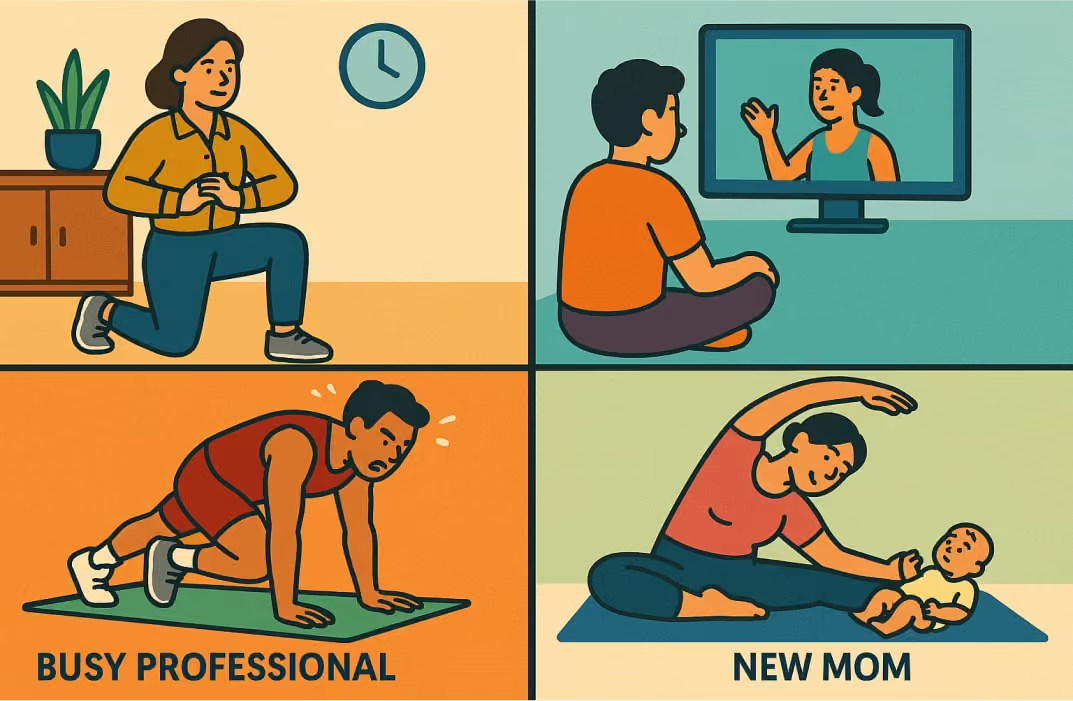
One of the biggest mistakes personal trainers and fitness entrepreneurs make is trying to sell generic workout plans to everyone. The truth is, there’s no such thing as a one-size-fits-all approach in fitness. People are different—each with their own fitness goals, unique lifestyles, personal challenges, and varying fitness levels.
To truly thrive in the online fitness industry, it is essential to define your target audience clearly and understand their specific needs. When you know who you’re speaking to, your online fitness programs will feel more relevant, more personal, and much more impactful.
Ask yourself:
- Am I helping busy professionals who need quick workout tips, time-efficient training programs, and at-home workouts they can squeeze into a packed schedule?
- Am I targeting beginners who feel intimidated by gym memberships and need simple, yet encouraging, online workouts to build their confidence?
- Am I guiding advanced athletes who crave high-intensity interval training (HIIT), structured workout plans online, and personalized coaching to push them past plateaus?
- Do I want to support new moms, seniors, or individuals preparing for specific events, such as marathons or fitness challenges, who require specialized programs and a compassionate coaching style?
When you’re clear on your audience, your marketing strategies, content, and personal training services will feel laser-focused. Instead of blending in with countless fitness professionals promoting “programs online,” you’ll stand out by speaking directly to the people who need your help most.
Step 3: Create Valuable Content First
The best marketing strategies for selling workout programs online don’t start with a sales pitch. They begin with a value that builds trust. In today’s crowded fitness online space, people want to see proof that you know your craft before they ever consider pulling out their credit card.
Before asking people to buy, give them a glimpse of your coaching style and expertise through content that feels helpful, practical, and easy to apply. For example:
- Free workout plan samples that show what your structured training programs look like
- Quick workout tips on Instagram Reels, TikTok, or YouTube Shorts that highlight your coaching style and personality
- Educational blog posts about nutrition, fitness tips, or personalized coaching approaches that position you as an authority.
- At-home workouts that demonstrate your creativity and ability to design effective routines without fancy equipment
- Success stories and client testimonials that give social proof and make your programs relatable
When potential clients consistently see your expertise, your personality, and how your training programs can fit into their lives, they’ll naturally be more open to investing in your personal training services. They’ll already feel like they know you, trust you, and understand the value you bring.
This is the foundation of soft sell fitness coaching packages: give first, sell later. By sharing real value up front, you’re not just marketing—you’re helping people start their fitness journey, which makes them far more likely to choose you when they’re ready to invest.
💪 Got an idea for a brand? Let's bring it to life.
Launch your own fitness app with FitBudd in minutes!

💪 Got your brand name? Let’s bring it to life.
Launch your own fitness app with FitBudd in minutes!



88% trainers worldwide gave us 5 stars
Transform your fitness business with the power of your branded app on iOS and Android.
Try for FREEStep 4: Showcase Client Success Stories
Nothing sells better than proof. In the fitness business, that means real success stories.
Sharing client testimonials, progress pictures, or fitness journey write-ups shows potential clients what’s possible with your coaching.
Instead of saying:
“Buy my online training programs—they work!”
Say:
“Here’s how Sarah balanced work, family, and fitness with our 12-week personalized coaching plan. She lost 15 pounds, gained confidence, and now loves at-home workouts.”
Client success stories humanize your programs, making them relatable instead of salesy.
Step 5: Offer Options, Not Pressure
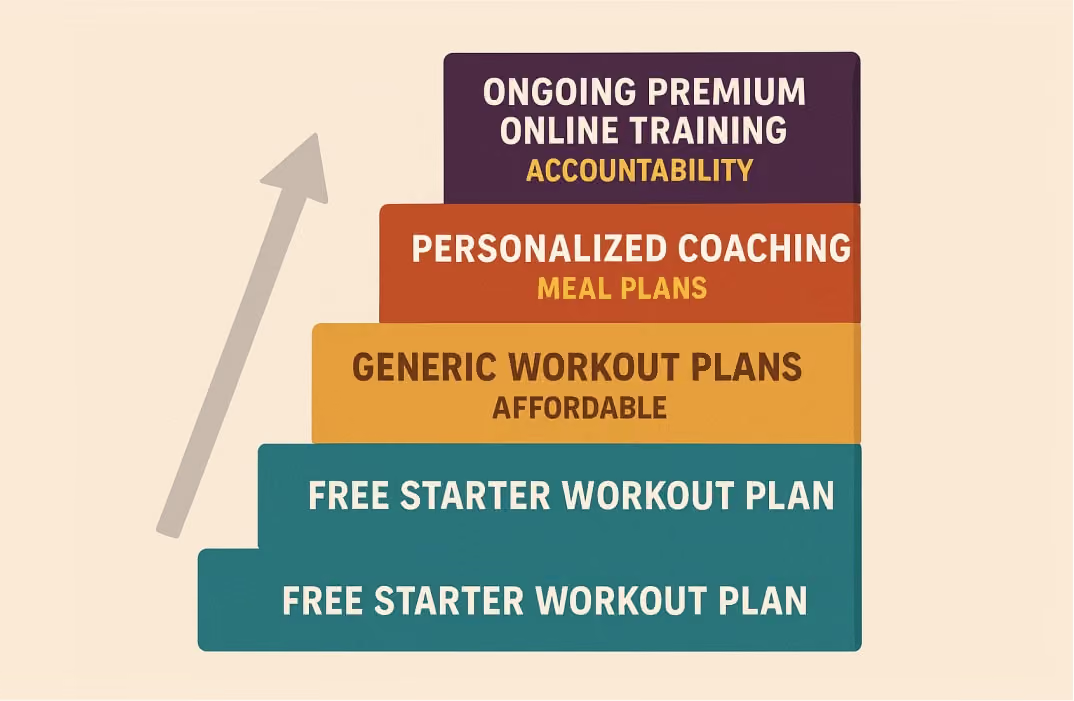
People like to feel in control of their decisions, especially when it comes to their health and fitness journey. That’s why you should create flexible personal training packages rather than pushing just one option and making clients feel boxed in.
For example:
- A starter free workout plan to build trust and showcase your expertise
- Affordable generic workout plans for beginners who want a simple place to start
- Personalized coaching with custom meal plans and customized workout plans for higher-ticket clients who need more guidance
- Ongoing online training programs for accountability and long-term results
By offering choices, you empower clients to select what feels right—whether that’s a basic workout plan or a comprehensive online personal training package tailored to their specific needs.
This flexible approach not only removes pressure but also helps you sell workout programs online in a way that feels natural, authentic, and client-centered.
Step 6: Use Social Media the Right Way
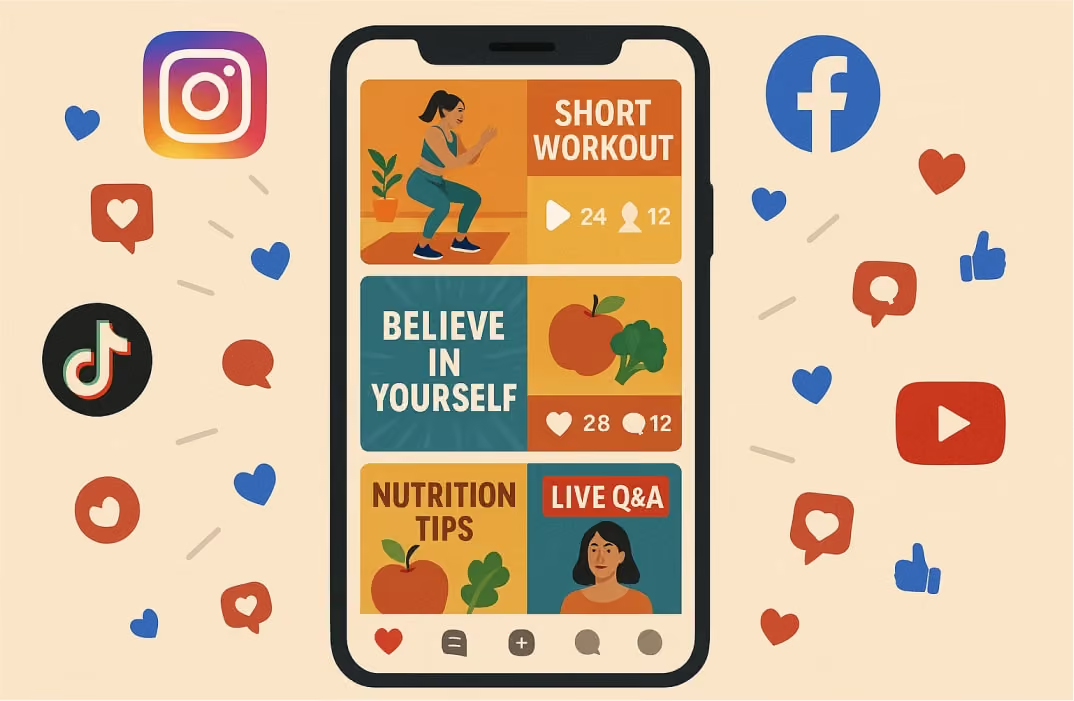
Social media platforms are compelling for selling workout programs online—but only if you use them to connect, educate, and inspire, not just pitch your services. People log in to be entertained, motivated, and informed, not to be sold to every time they scroll through their feed.
Instead of bombarding followers with endless “Buy now” posts, focus on:
- Sharing fitness challenges that encourage participation and build excitement
- Posting engaging workout videos that highlight your coaching style and creativity
- Giving fitness tips and nutrition hacks that followers can apply right away
- Starting conversations in fitness forums or group communities to establish authority
- Building community with your followers by showing up consistently and engaging with their comments
When you present yourself in this manner, your online clients will begin to view you as a trusted fitness coach, mentor, and source of value—not just another person trying to sell workout plans. Over time, this trust naturally turns followers into paying clients.
Step 7: Personalize the Experience
A significant advantage of online personal training is the ability to personalize every detail of the coaching journey. People don’t want cookie-cutter fitness programs online anymore—they want something that feels built for them, their lifestyle, and their unique goals. When a client feels truly seen and understood, they’re far more likely to stay committed and trust your guidance.
Personal trainers can stand out by offering:
- Personalized coaching sessions that address individual struggles and motivations
- Customized training programs based on current fitness levels, available equipment, and preferred workout styles
- Individualized feedback on workout videos so clients know exactly where to improve and how to progress safely
- Tailored meal plans for specific fitness goals that complement their training and support lasting results
The more personal and client-centered your approach, the easier it becomes to sell online fitness programs subtly. Instead of feeling like a generic offer, your coaching feels like a partnership in their fitness journey—and that’s what inspires people to invest.
Step 8: Use Gym Management Software for Business Growth
As your online training business grows, handling clients, payments, workout programs, and day-to-day admin tasks manually gets overwhelming and can quickly eat into the time you’d rather spend coaching. That’s where gym CRM software becomes a game-changer: it centralizes lead management, bookings, billing, program delivery (via a branded app), and progress tracking so you can streamline operations and focus on what you do best: guiding clients on their fitness journey.
It allows fitness professionals and gym owners to:
- Manage online clients efficiently with built-in tools for scheduling, communication, and progress tracking
- Organize personal training services and packages so clients can clearly see what’s available and choose the best fit for their needs.
- Automate billing for gym memberships and online training programs, eliminating the stress of chasing payments or dealing with late fees
- Deliver personalized coaching through branded apps that make your fitness brand look polished, modern, and highly professional.
By using the right software, you can create a smoother and more enjoyable client experience. This not only saves you valuable time but also builds trust and credibility—showing clients that your business is organized, reliable, and capable of supporting their long-term fitness goals. Ultimately, it allows your fitness brand to grow without relying on pushy sales tactics.
Step 9: Build Trust Through Free Value
A powerful way to attract potential clients is to offer something valuable for free before asking them to make a financial commitment. This approach lowers barriers, builds trust, and allows people to experience the quality of your coaching firsthand without feeling pressured.
Examples include:
- A free workout plan download that gives them structure and direction right away
- A mini fitness challenge delivered via email to help them kick-start their journey and stay accountable for a set number of days
- A quick-start meal plan that simplifies nutrition and shows how you combine training with lifestyle guidance
- Access to a free online workout so they can connect with your coaching style and energy in real time
Offering free value not only demonstrates your expertise but also shows your willingness to help without expecting anything in return. It gives potential clients a genuine taste of what it’s like to work with you, making your coaching feel approachable and trustworthy. And when they start seeing results, even small ones, they’ll naturally want more—making it far easier to sell personal training online without ever sounding like a pushy salesperson.
Step 10: Sell fitness programs online by Storytelling, Not Pitching
People connect with stories, not sales pitches. Facts and features may inform, but stories inspire action. By weaving storytelling into your content, you make your online workout programs relatable and emotionally engaging—helping potential clients see themselves in the journey you’re sharing.
For instance:
- Please share your own fitness journey and explain how it shaped your coaching style, values, and approach to training.
- Talk about challenges you’ve faced—whether it was staying consistent, overcoming injuries, or balancing fitness with a busy lifestyle—and how you overcame them.
- Highlight client transformations in story format, showcasing the struggles, breakthroughs, and results that real people achieved through your coaching.
When you frame your message this way, you’re not just promoting a product—you’re showing the real-life impact your programs have. Storytelling builds an emotional connection, which is far more powerful and persuasive than any pushy sales script could ever be.
Step 11: Create Multiple Entry Points
Not every potential client is ready to jump straight into a premium personal training package. Some want to start small, test the waters, and build confidence before committing to a higher-level investment. If you only offer one option, you risk losing potential long-term clients.
That’s why fitness entrepreneurs should create multiple ways for clients to get started, making it easier for them to engage at a level that feels comfortable:
- Low-cost workout programs online that give clients a simple, affordable way to experience your training style
- Community-based fitness challenges that foster accountability, fun, and a sense of belonging
- Mid-tier online training programs with more structure for those who want extra guidance without the full price tag of personalized coaching
- High-ticket personalized coaching with custom plans, meal guidance, and direct access for clients who are ready to go all in
By offering different levels, you meet clients exactly where they are in their fitness journey and give them space to grow into bigger programs over time—without any pressure. This layered approach not only increases your reach but also makes it easier to build lasting relationships with clients at every stage of the process.
Step 12: Nurture Long-Term Relationships
Selling personal training isn’t just about making one transaction—it’s about building long-term, meaningful client relationships that last beyond the initial purchase. The real success of an online fitness business stems from client retention, loyalty, and referrals, rather than solely relying on constant new sign-ups.
Stay connected with your online clients through simple but powerful actions like:
- Regular check-ins to show you care about their progress and struggles
- Progress updates that highlight their improvements and keep them motivated
- Celebrating milestones such as weight loss achievements, strength gains, or consistency streaks
- Ongoing fitness tips and quick workout ideas that keep them engaged between sessions
- Exclusive offers for existing clients to reward loyalty and encourage long-term commitment
When people feel genuinely supported and valued, they’ll not only stay with you longer but also invest in more of your services and even refer friends or family—fueling steady, sustainable business growth without relying on constant sales tactics.
Step 13: Avoid Common Salesy Mistakes
To succeed in the online fitness industry, it’s important to avoid behaviors that turn people off and damage trust. Many trainers lose potential clients not because their programs aren’t effective, but because their approach feels too pushy or impersonal. Some common mistakes to watch out for include:
- Overhyping with “guaranteed results” claims – Fitness is a journey, and promising unrealistic outcomes can hurt your credibility. Instead, focus on achieving and sustaining progress.
- Pushing one-size-fits-all generic workout plans – Clients want solutions tailored to their goals, fitness levels, and lifestyles. Offering cookie-cutter programs makes your coaching look impersonal.
- Constantly spamming sales posts on social media platforms – Selling should be subtle and value-driven. If every post is a sales pitch, followers will tune out or unfollow.
- Ignoring personal connection and coaching style – People invest in coaches with whom they feel a connection. Share your personality, values, and coaching philosophy to build trust.
- Forgetting to showcase real client testimonials – Social proof is powerful. Without success stories or feedback, potential clients may doubt the effectiveness of your training.
By steering clear of these salesy mistakes and focusing on authenticity, transparency, and client-centered value, you’ll naturally build a fitness brand that attracts and retains loyal clients.
The Future of Selling Fitness Online
The online fitness industry is growing fast, and personal trainers, gym owners, and fitness professionals who adapt now will thrive. But the ones who succeed won’t be those who push gym memberships or sell workout plans with brutal sales tactics.
Instead, success will come to those who know how to sell online fitness programs subtly—with value, personalization, authenticity, and trust.
Whether you’re just starting your online training business or scaling an established fitness brand, remember this: clients don’t just want to buy workout programs online. They want a coach who understands their struggles, celebrates their wins, and walks with them on their fitness journey.
If you can be that coach, selling fitness programs online won’t feel like selling at all. It will feel like helping. And that’s the key to building a thriving fitness business in 2025 and beyond.
FAQs
How to sell an online fitness program?
The best way to sell an online fitness program is by building trust and delivering value first. Offer free resources, share client results, and create personalized programs that solve real problems. Utilize social media, email marketing, and a professional website to guide potential clients toward your paid programs without coming across as overly promotional.
Can you sell workout plans without being certified?
Yes, you can sell workout plans without being certified; however, having a certification enhances credibility and trust. If you’re not approved, focus on being transparent about your background, providing safe, effective programs, and considering liability protection. Certification is highly recommended for those who want to scale their fitness business in the long term.
Where can I sell fitness programs?
You can sell fitness programs on your own website, through platforms like Trainerize, FitBudd, or TrueCoach, or by using marketplaces such as Gumroad, Etsy, or even social media channels. Having your own branded app or website gives you more control and helps build your personal brand.
Where is the best place to sell workout programs?
The best place to sell workout programs depends on your business model. If you want complete control and branding, selling through your own website or app is the ideal option. If you’re starting, utilizing marketplaces and social media platforms can help you reach a wider audience more quickly. Many trainers use a mix of both.
How to market an online fitness business?
Market your online fitness business by sharing valuable content (workouts, tips, success stories), running targeted ads, using social media platforms like Instagram, YouTube, and TikTok, building an email list, and collaborating with influencers or communities. Consistency, authenticity, and showcasing real results are key to attracting clients online.


Meet the author
Suchandra Das
Frequently Asked Questions

Yangzey Sherpa leads content strategy at FitBudd, overseeing content planning and execution across fitness-focused digital channels. With over five years of experience in SEO and content, she works closely with the fitness industry to ensure content aligns with the needs of coaches, trainers, and gym owners. Her role keeps her deeply connected to fitness business workflows, coaching models, and how professionals use digital platforms to grow.


Apra Pathak has worked closely within the fitness niche for several years, supporting personal trainers and fitness coaches through content and digital marketing initiatives. Her experience centers on understanding how fitness professionals build visibility, communicate value, and engage clients online. Through sustained involvement with fitness-focused platforms and audiences, she has developed a strong understanding of the digital needs and growth challenges faced by modern fitness businesses.

Aishwarya Mehra has been actively involved in fitness-focused digital marketing, working closely with brands and platforms that serve coaches, trainers, and fitness businesses. Her experience spans engagement-driven strategies designed specifically for fitness audiences. Through ongoing exposure to fitness campaigns and communities, she remains closely aligned with how fitness professionals attract, convert, and retain clients in digital environments.

Suchandra Das has contributed content within the fitness niche, working on resources designed for coaches, trainers, and fitness business owners. Her experience involves supporting fitness-related topics with clear, structured, and accessible content. Through consistent involvement with fitness-focused platforms, she has developed familiarity with coaching workflows, client communication, and the informational needs of fitness professionals.
FitBudd is a fitness technology platform built exclusively for coaches, personal trainers, gym owners, and fitness professionals. The platform supports fitness businesses through branded apps, white-labeled solutions, and websites designed around real coaching and training workflows. FitBudd works closely with the global fitness community, maintaining deep, ongoing involvement in the fitness industry.

Ankit Uniyal has worked extensively with fitness-focused content, supporting platforms that cater to personal trainers, gym owners, and fitness professionals. His experience includes optimizing and structuring content around fitness-related search behavior and user intent. Through continued involvement in the fitness niche, he has gained a strong understanding of how trainers and coaches build discoverability and authority online.

Saumya Mittal is the Co-Founder and CEO of FitBudd. Since 2021, she has been actively engaged in the fitness technology sector, collaborating with global fitness companies to foster digital growth and scalable operations. With over a decade of experience leading high-impact projects in engineering and operations, Saumya has a strong background in developing reliable and scalable systems. Through FitBudd, she is dedicated to addressing the evolving needs of fitness professionals worldwide.

Kinshuk Snehi has been closely involved in the fitness space for over four years. Through his work at FitBudd, he has contributed to shaping how fitness professionals build their online presence, attract clients, and scale sustainable coaching businesses. Deeply interested in the intersection of fitness, technology, and growth, Kinshuk brings a hands-on understanding of the challenges faced by modern trainers. His passion lies in building systems and strategies that support long-term consistency, both in fitness journeys and business growth.

Kanika Verma has been closely involved in building solutions for the fitness industry, working with platforms used by coaches and trainers globally. Her experience includes direct exposure to fitness coaching workflows and operational needs. Through sustained involvement in fitness-focused product development, she has developed a strong understanding of how fitness professionals manage clients, programs, and daily operations.

Tanya Sharma has worked on branding initiatives within the fitness niche, supporting fitness platforms and businesses with visual identity design. Her experience includes creating brand systems used by coaches, trainers, and fitness-focused products. Through ongoing involvement in fitness-related design projects, she remains closely connected to how fitness brands communicate trust and professionalism.

Niharika Sonavane has contributed to visual design projects within the fitness industry, supporting platforms and brands serving fitness professionals. Her experience spans creating digital assets used across fitness apps, websites, and marketing materials. Through continued work in the fitness niche, she remains closely aligned with the visual communication needs of coaches and fitness businesses.

Elesh Patel has worked extensively on marketing initiatives within the fitness niche, managing paid campaigns for fitness-focused products and services. His experience includes supporting platforms that target personal trainers, gym owners, and fitness creators. Through long-term involvement in fitness marketing, he remains closely connected to how fitness professionals discover and adopt digital tools.


Ultimate Marketing Guide for Fitness Trainers
Boost your business growth with these tried and tested marketing strategies. Free for you to download.
Download Now
Templates
These functional templates have the power to make any fitness trainer's life easier.
Subscribe To
Our Blog
.avif)